 EN
EN
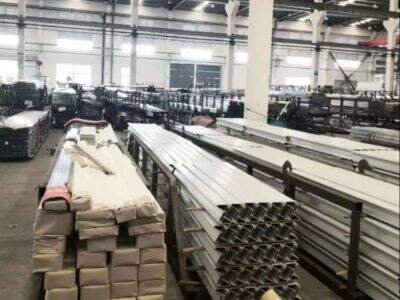
When manufacturing products, extrusion dies can be a critical part of the process. Extrusion dies are tools that help shape materials like plastic into useful items. At Remgar, we know how critical quality extrusion dies can be to the success of the finished products that these dies create. In fact, one could say a quality extrusion die is what separates average from exceptional. So, let's examine exactly what makes a great extrusion die, and what to look for in trustworthy suppliers.
What Are the Characteristics of a High-Quality Extrusion Die?
There are a few critical factors that distinguish a quality extrusion die. First, an extrusion die should be manufactured from durable materials, capable of withstanding the high pressures and temperatures present. This is essential to prevent dies from wearing out or breaking over time. High-strength tool steel and stainless steel are common choices used for manufacturing high-quality extrusion dies, thanks to their excellent resistance to heat and pressure.
Precision is the second most important aspect of a high-quality die. Dies must be manufactured with exact measurements to produce precise shapes. If a die is not built with accuracy, components won't fit together well or appear visually appealing, which ultimately leads to a waste of material and increased costs. This can affect the entire product being built as components just may not work as designed. An example of how the size affects the performance of a product could be that the diameter of the tube being manufactured.
The third characteristic of an extrusion die is the design. The design of the die is crucial in order to allow materials to flow well through it, while minimizing difficult machining operations, and potentially assisting with the cooling process. A die can also affect whether the final product being manufactured is of higher or lower quality.
Lastly, ease of maintenance is often seen as a quality in extrusion dies that don't readily wear out. Extrusion dies can often be clogged with material or be susceptible to damage. Dies that are easily taken apart and put back together will always save the consumer money on time and effort to maintain them. Dies are essential to keep production at its highest level without any downtime. Dies from Remgar are made with the customer in mind, allowing easy upkeep.
Where to Purchase Quality Extrusion Dies from Reliable Suppliers?
A key challenge is finding a good supplier of extrusion dies. Some common methods include searching online, checking customer reviews, and comparing rates. Seeking out referrals from fellow business people or others in your industry is another highly effective method of finding reliable suppliers, especially since personal experiences often speak volumes.
Trade shows are another valuable way to discover dependable suppliers. By meeting with manufacturers directly, you can inspect their products for quality, speak with sales representatives about the company, and gauge their expertise. Remgar is one such company that often participates in trade shows across the nation to display its dies.
Networking is an additional way to build relationships with honest providers. If you participate in forums or groups that are geared toward the manufacturing or machining industry, there will likely be members that can steer you toward their trusted sources.
Finally, look for providers that offer strong customer support. The quality of a supplier's support throughout the purchasing process-and even after the sale-is often a sign of the quality of the company and its products. Remgar stands by its products and will help you at every step.
A quality die from a reputable provider is paramount to the success of the parts you will produce. Use these resources, and with the right die and knowledge, you will produce exceptional products.
Typical Extrusion Die Issues and Their Solutions
One issue that occurs while manufacturing products with extrusion dies is the uneven flow of materials. This may cause product flaws, weak areas, and visual imperfections. To eliminate these issues, the designer of the die needs to review the die geometry to determine appropriate dimensions and specifications to allow for a balanced flow of material, as well as regular cleaning to remove all built-up material.
Temperature is a second factor that is very important to proper product manufacturing. To allow a material to flow correctly, it must be heated properly. If the material isn't heated enough, it can become difficult and rigid, resisting flow, and if it is heated too much, it becomes soft and can be too prone to losing its shape. Companies like Remgar will install both heating and cooling elements in close proximity to the die to ensure that the temperature is kept consistent.
The material used can also be problematic, as certain materials stick while others are more prone to breakage. When possible, the appropriate materials will need to be matched for successful manufacturing; for some materials, experimenting with variations will give the best result.
How Does the Design of an Extrusion Die Affect Product Quality?
The design of an extrusion die plays a vital role in the quality of the extruded product. A die designed properly ensures that the products are strong, uniform in appearance and performance. The precise dimensions of a die will influence the flow of the material as it travels through. If the die is designed correctly to match the material, it should prevent weak spots. Remgar aims to build the best product by designing optimal extrusion dies for a given material.
Another way die design affects product quality is by dictating how the materials behave as they pass through. Die design plays a role in the thermal characteristics of the material being extrude. A properly designed die will account for this and allow for an even rate of cooling throughout the process. Without this, some areas might solidify much faster, creating imperfections.
The time required to switch out between products or parts being manufactured is another factor related to the design of the die. The better the design, the easier it will be to remove one part and fit a new one in its place with a minimal amount of downtime. This increases the overall efficiency when a manufacturer is required to make several different parts during a given manufacturing cycle. Remgar focuses on building versatile and easily adaptable die components.
Consider These Factors When Selecting an Extrusion Die
When deciding upon an extrusion die to use, a few key elements should be carefully considered. The first is the type of material that is to be used. Some materials will not work in certain dies and vice versa. The characteristics of the material will also dictate how the material flows. When considering the cost, you need to be sure that it makes financial sense, and also keep the time required to maintain a die in mind. Remgar suggests that you research well, and compare models in order to determine which die is right for you.