 EN
EN
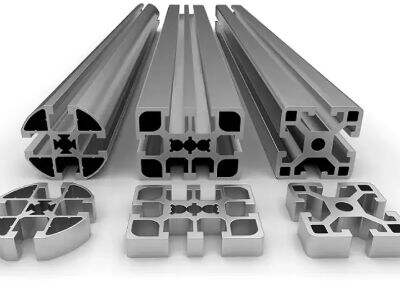
At times, when manufacturing aluminum parts there are problems. They occur on the surface of the metal, giving them an undesirable look. Here at Remgar we recognize that surface defects in aluminum extrusions can appear for various reasons. Knowing what is causing these defects are critical to address them quickly. Surface defects effect product performance and perception. Issues occurring in this manner could cause buyer dissatisfaction and material waste. Understanding why this is occurring can bring the desired outcome to everyone.
How to Identify and Fix Surface Defects in Aluminum Extrusion for Wholesale Buyers?
Identifying surface defects is the first part of correcting them. For wholesale buyers there are some key things to be aware of when searching for issues. Some include, scratches, dents, and discoloration of the aluminum extrusion. Each of these give hints to what may have happened to the metal during its production or journey. A scratch on the surface might suggest rough handling of the extrusion during transit or placement. A dent likely comes from impacting an object. Discoloration may be the result of oxidation or contanimation on the surface of the metal.
Once the presence of a defect is recognized, one should act promptly. Documentation with detailed notes regarding when, where, and what occurred is essential to help the manufacturer identify the root cause of the issue. Immediate contact with the supplier is also imperative; At Remgar we believe in direct communication in such cases to efficiently correct problems.
The solution might be as simple as polishing away discoloration, while other solutions may involve a re-extrusion of the product. Inspecting tools such as dies is also crucial, as worn dies will cause surface defects; these require frequent checking and testing to assure the aluminum extrusion meets desired quality standards. Proper handling, packaging, storage, and transportation techniques can all assist in preventing future defects.
A training program with all workers involved with handling aluminum is highly recommended; Proper handling procedures will reduce number of defects. Sharing ideas is also beneficial to an overall increased product quality.
What Wholesale Buyers Need to Know About Surface Defects in Aluminum Extrusions?
Buyers should recognize that not all surface defects are equal. Some can be quickly and inexpensively repaired, whereas other defects may indicate more serious production concerns. It is imperative for the buyer to distinguish which defects are permissible in their own applications; While a minor scratch may be acceptable in some applications, a major dent may render it completely useless. When sourcing products it is best to consult suppliers about quality control practices.
Remgar believes that the customer must feel confident with what is being purchased, and so quality is of utmost importance to us. A precise agreement between both supplier and buyer regarding quality expectations should be maintained throughout the order, detailing acceptable defects, and procedures to be taken if any defects are discovered. This type of approach saves time and money for all parties.
It is important for the buyer to take future considerations into account when sourcing products as some defects will not manifest until later. In the case of certain safety-applications, defects could be dangerous. Building strong, dependable relationships with suppliers through open communication is also extremely beneficial in combating issues. Remgar strongly believes that the highest quality products can be manufactured when everyone works together towards the goal of customer satisfaction.
How Surface Defects Impact the Quality of Aluminum Extrusions for Wholesale Customers?
Aluminum extrusions are specially formulated into complex shapes, then used in countless applications such as construction, automotive and furniture manufacturing. However, surface defects create issues that have far reaching consequences. First, they cause the product to be unsightly, thereby reducing sales. If products do not sell, profits will also decrease. Furthermore, defects can weaken the product so that it does not perform to expectation. These two factors can negatively influence the company's image; A damaged or flawed product is a poor representation of business. Additionally, surface defects may prevent parts from fitting together properly, thus requiring further costs and production delays. In summary, an inferior quality product hurts business all the way down. At Remgar we value our customers' success, hence quality product creation is of the highest priority. Surface defects are more than just cosmetic; they can impact product safety as well as customer satisfaction.
How to Ensure Consistent Quality in Aluminum Extrusion to Avoid Surface Defects?
Achieving consistent high-quality aluminum extrusions require diligent preparation. Always keep machines and surrounding areas clean; Dirt will cause defects within the extrusions themselves. Remgar maintains clean machines and working environments always. Utilize good quality materials when fabricating extrusions; High quality metals that are free of contanimation can make a big difference. Make sure to check processes at multiple steps in production and have frequent inspections performed to catch errors before they develop. Training your workers so they know what and how to handle aluminum effectively will reduce the number of errors in the product. Maintaining quality management systems to monitor production will assist you in alerting personnel to any necessary changes or corrections that must be made. Using these methods is key to consistently producing defect free aluminum extrusions and can build trust with your clientele like it does here at Remgar.
How to Choose the Right Aluminum Extrusion Die to Prevent Surface Defects?
Selecting the appropriate aluminum extrusion die is critical to prevent surface defects from occurring. The die is responsible for shaping the extruded metal as it passes through. If the die shape is incorrect or damaged, errors in the product can occur. Choose a die suitable to the shape of the extruded aluminum so that the flow through the die is correct. High quality dies can be manufactured for each desired shape here at Remgar. The material composition of a die must be highly wear resistant so it does not breakdown when exposed to the pressure of extrusion; this also applies to both maintaining and cleaning the die, dirt will adhere to it if it is not properly kept clean. You may want to test your dies on a small batch of material before large scale extrusion occurs in order to ensure you made the correct choice. If a proper die is chosen, the surface will remain clean and defect free and the customer will continually be drawn back to Remgar.
Table of Contents
- How to Identify and Fix Surface Defects in Aluminum Extrusion for Wholesale Buyers?
- What Wholesale Buyers Need to Know About Surface Defects in Aluminum Extrusions?
- How Surface Defects Impact the Quality of Aluminum Extrusions for Wholesale Customers?
- How to Ensure Consistent Quality in Aluminum Extrusion to Avoid Surface Defects?
- How to Choose the Right Aluminum Extrusion Die to Prevent Surface Defects?