Home > Products > Heat sink Technologies > Bonded Fin Heat sink
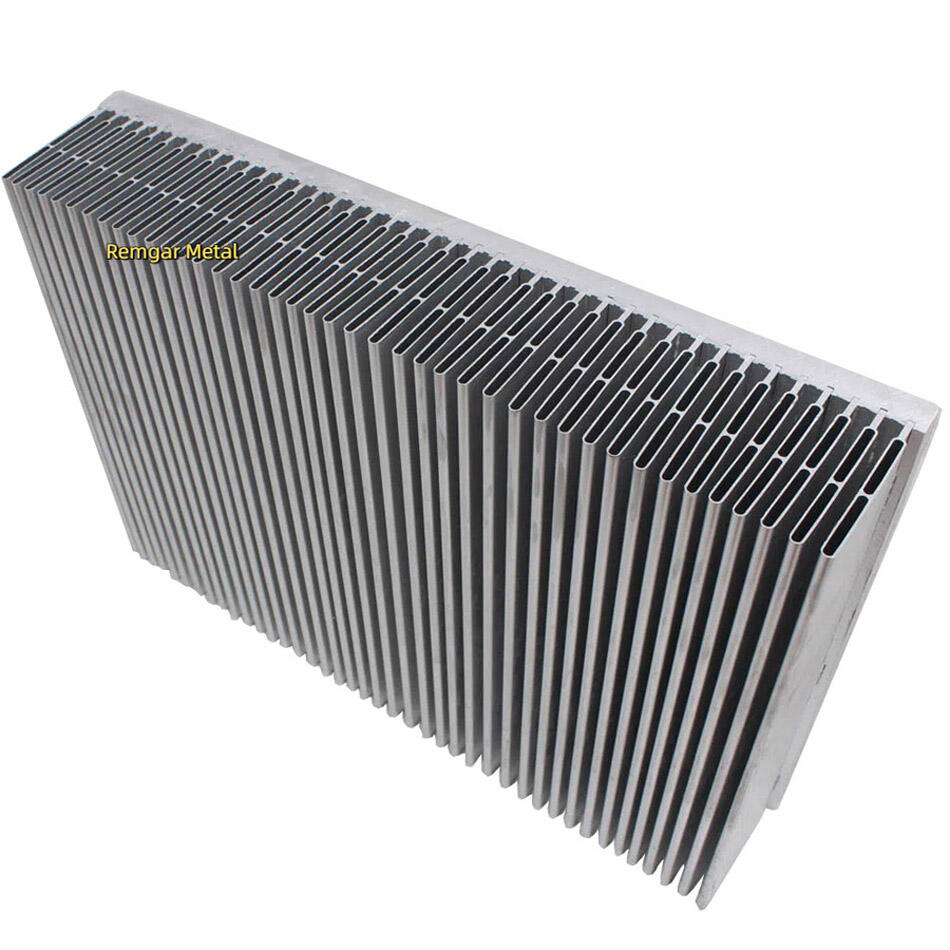
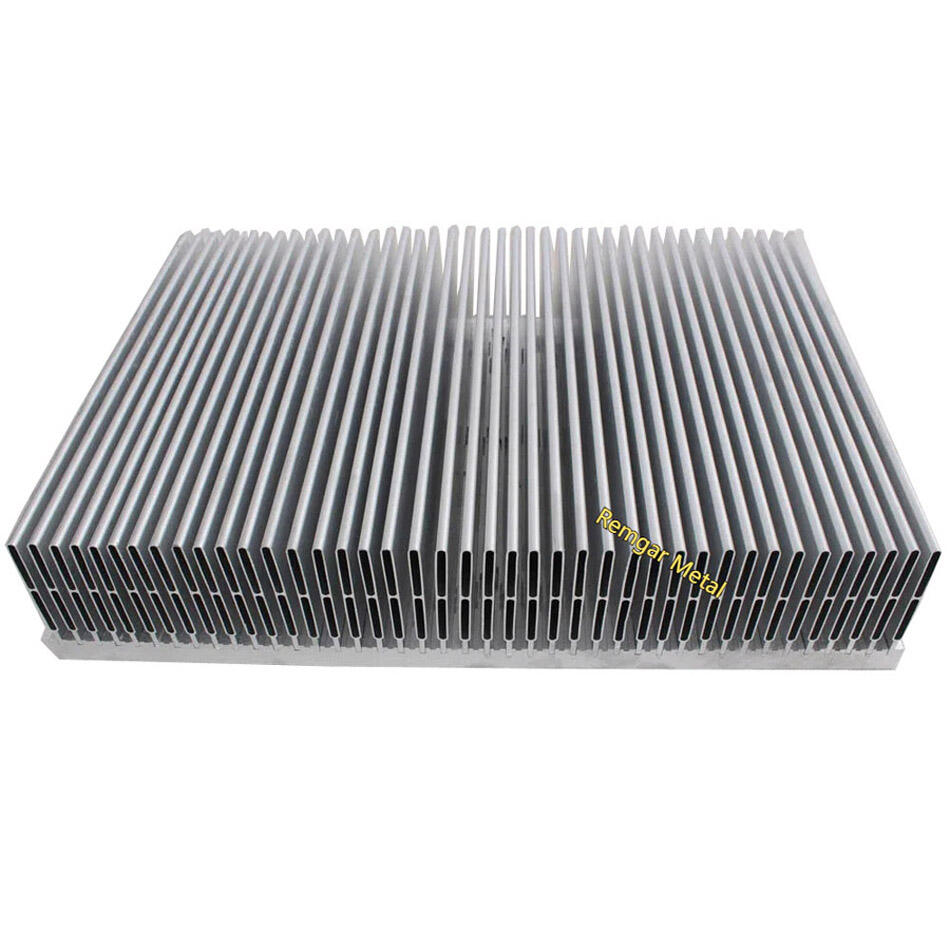
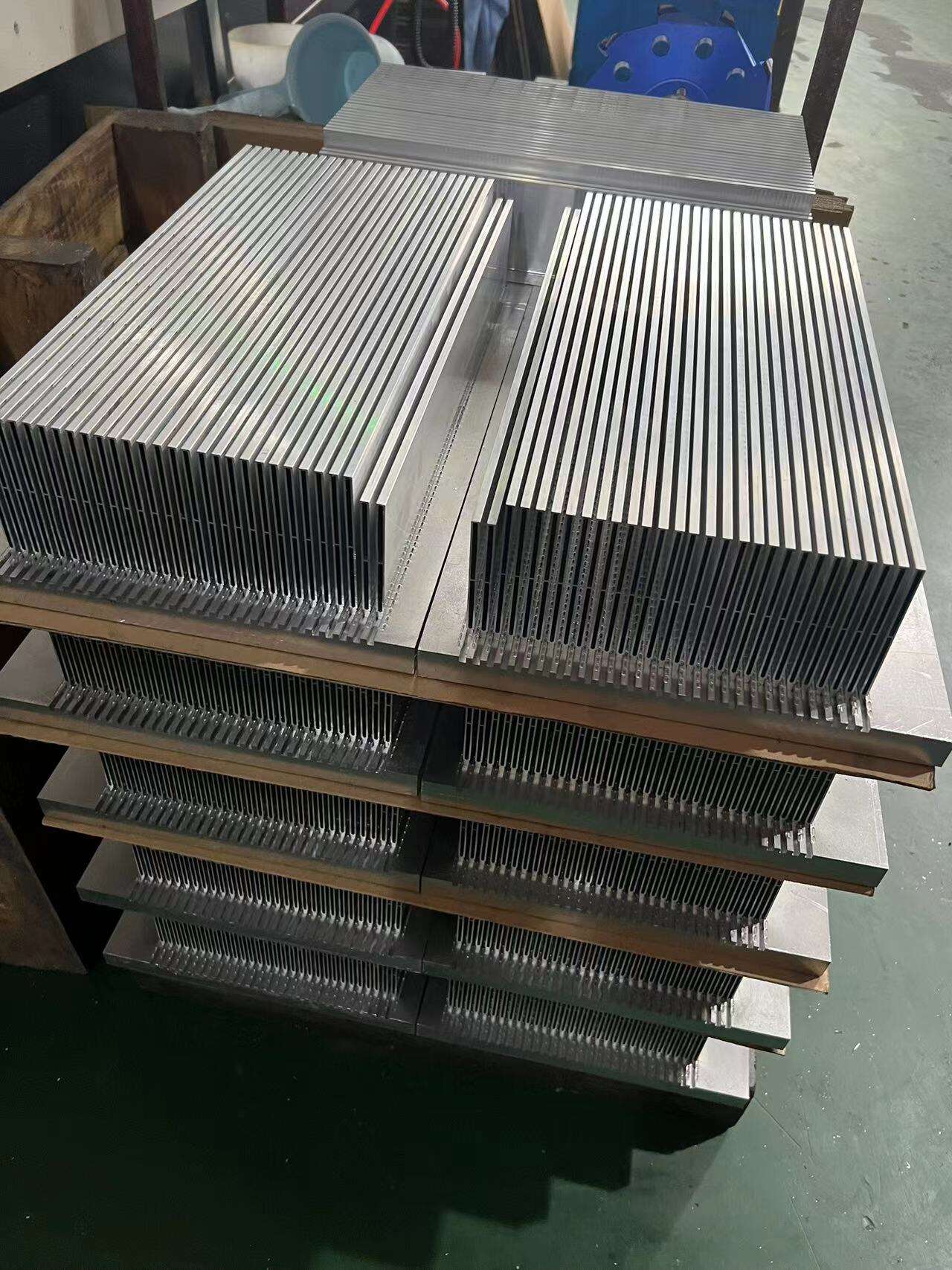
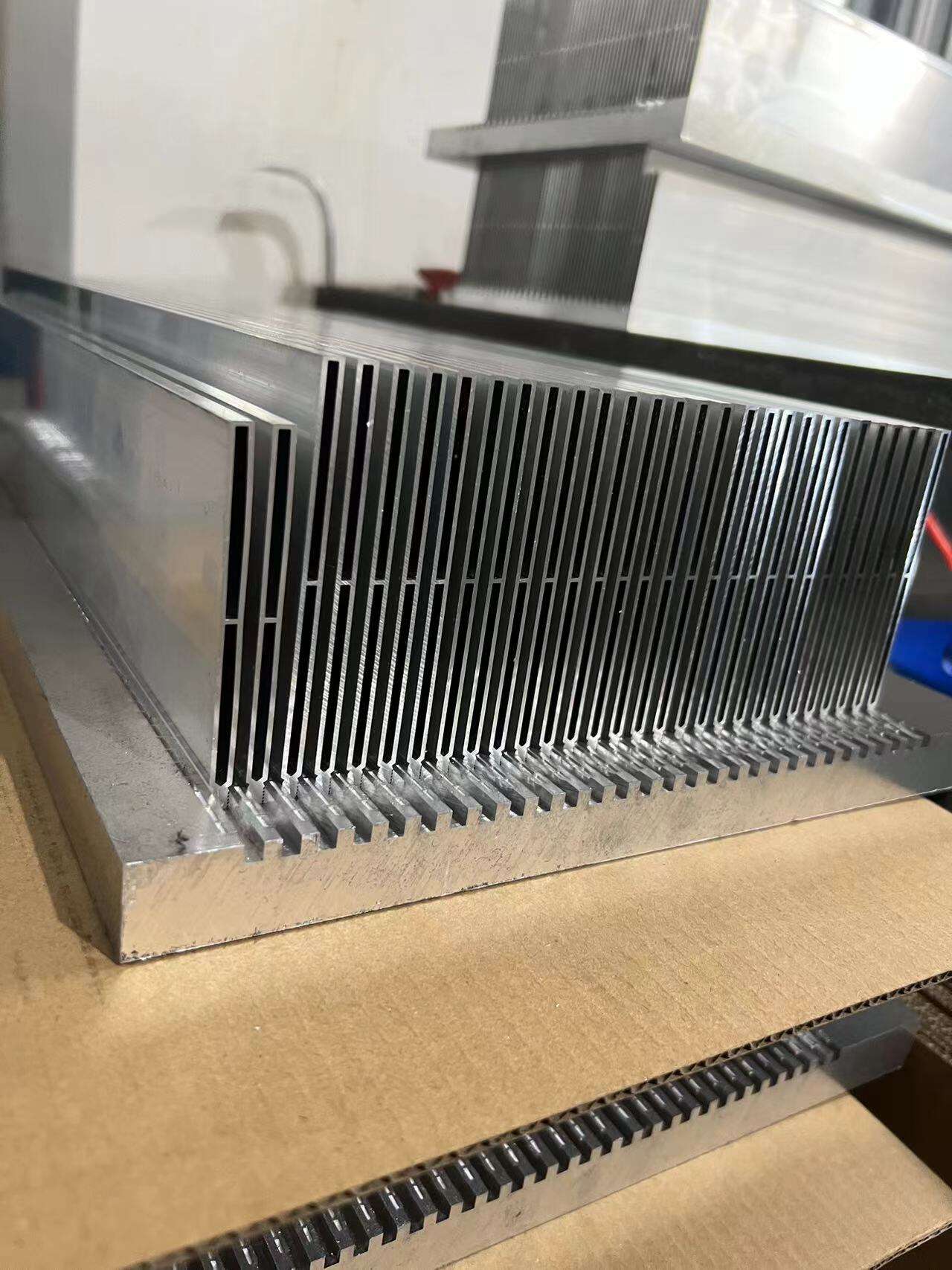
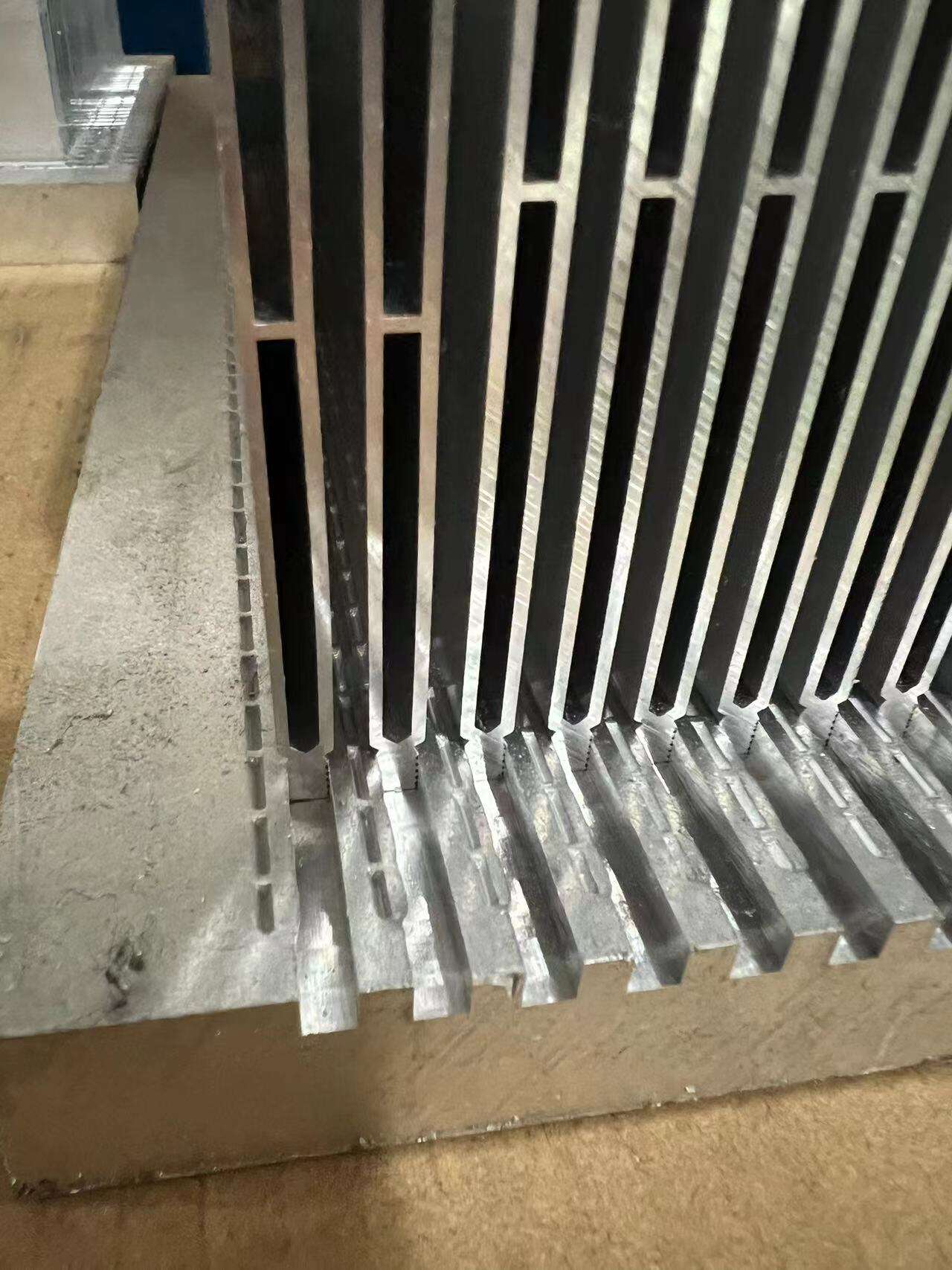
Bonded Fin Heatsink, commonly referred to in Chinese as a welded fin heatsink or bonded fin heatsink, is a type of heat sink that integrates individual cooling fins with a base plate through specialized processes. It plays a crucial role in high-performance thermal management applications.
As the name implies, the core of Bonded Fin technology lies in the “bonding” or “welding” process:
1. Brazing
· Process: First, individual metal fins (typically aluminum or copper) are precisely arranged on the base using fixtures or molds. Then, solder (an alloy with a lower melting point than the base material) is placed at the contact points between the base and fins. Finally, the assembly is heated in a controlled-atmosphere brazing furnace, causing the brazing material to melt and fill the gaps via capillary action. Upon cooling, a robust metallurgical bond is formed.
· Characteristics: This is the most common and reliable Bonded Fin process, achieving extremely high bonding strength and excellent thermal conductivity.
2. Epoxy Bonding
· Process: High-thermal-conductivity epoxy adhesive bonds fins to the substrate.
· Characteristics: Low process temperature and relatively low cost. However, two major drawbacks exist: First, the adhesive's thermal resistance is significantly higher than metal, compromising overall thermal conductivity. Second, prolonged high-temperature operation may cause aging or failure risks. Thus, it is primarily used in applications without extreme performance requirements.
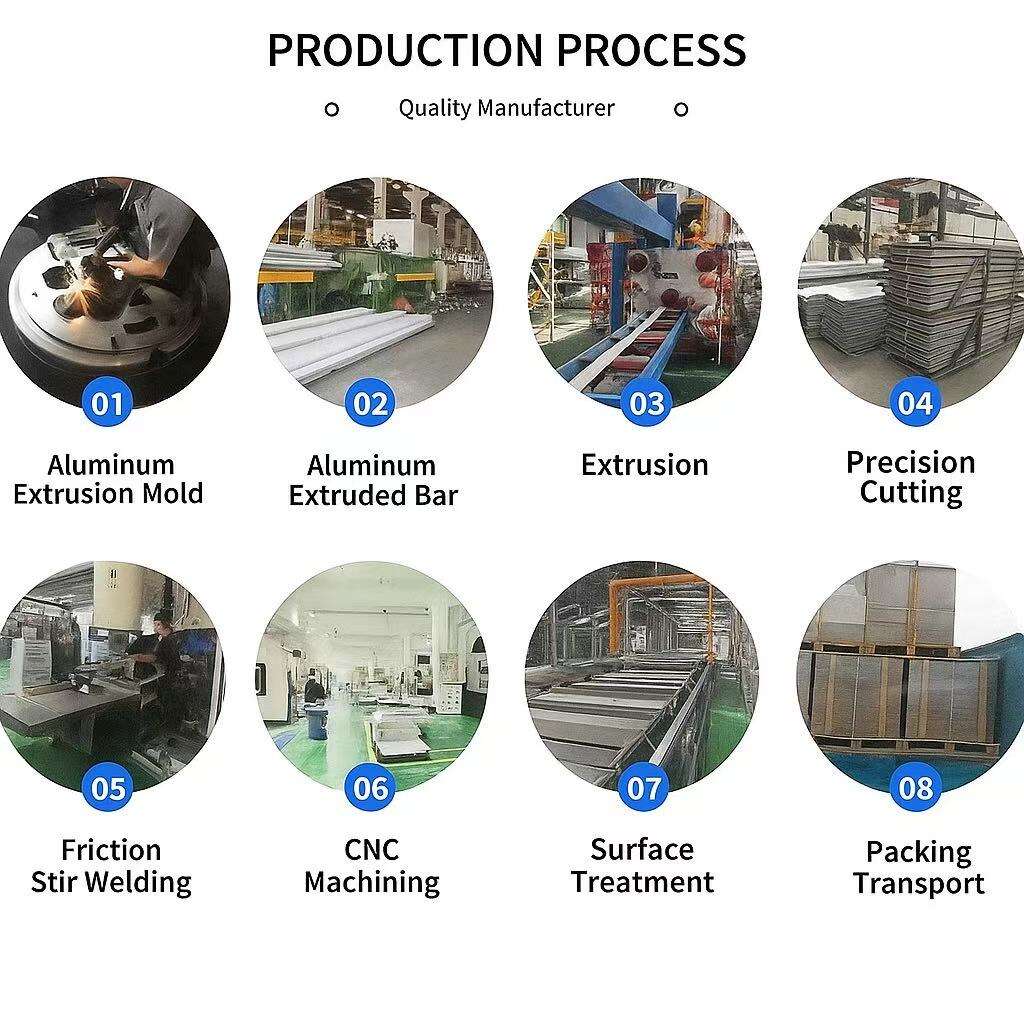
3. Other Processes: Methods like friction stir welding exist but are less widely applied than brazing.
Advantages:
1. Exceptional Design Flexibility and Fin Aspect Ratio
· Fins can be fabricated extremely thin, tall, and densely packed, yielding massive heat dissipation surface area within a given base footprint. This represents its primary advantage over extrusion processes.
· Allows fabrication of taller fins than cold forging processes.
2. Superior Thermal Performance
· The metal bond formed by brazing exhibits extremely low thermal resistance, closely matching monolithic structures. Heat is efficiently conducted from the base plate to the fin tips.
3. Flexible Material Combination
· Copper-base aluminum-fin combinations are feasible. Copper's high thermal conductivity rapidly absorbs heat, while aluminum's lightweight and low cost enable extensive heat dissipation, achieving an optimal balance between performance and cost. This is difficult to achieve with other processes.
4. Diverse Geometries
· Fin shapes are not limited to straight lines; they can be designed as wavy, needle-like, or other forms to optimize airflow and heat dissipation efficiency.

 EN
EN