Home > Products > Heat sink Technologies > Cold forge Heat sink
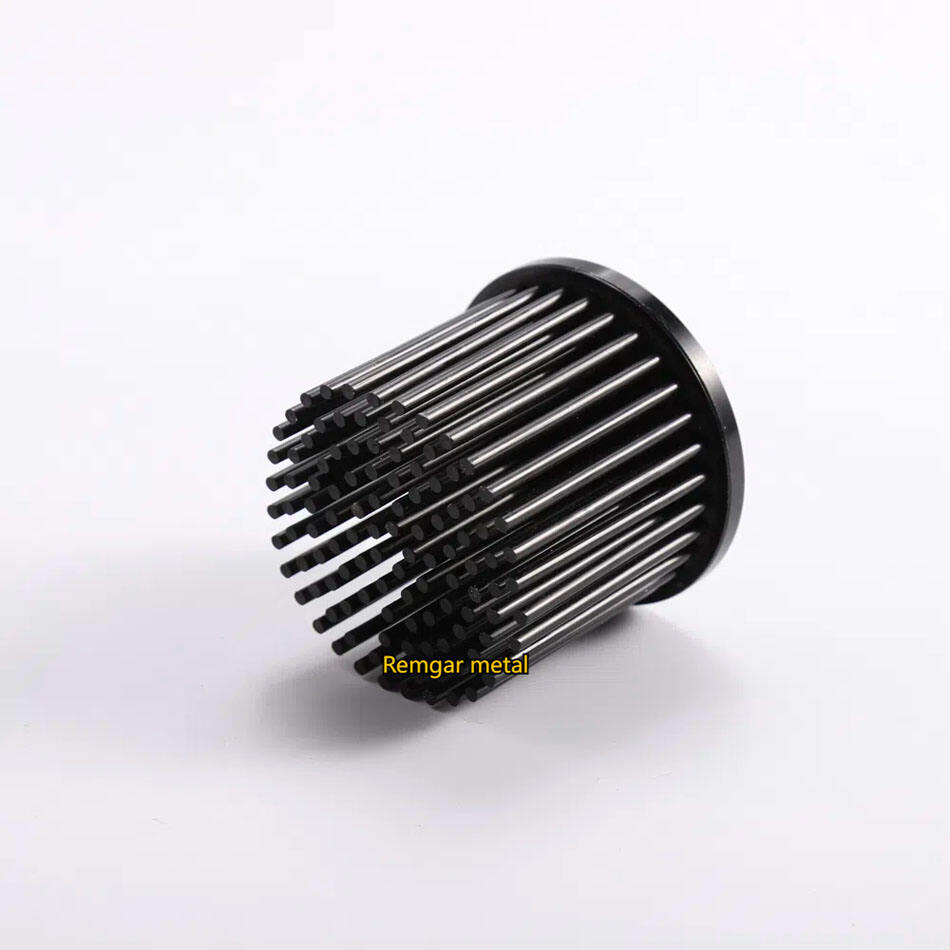
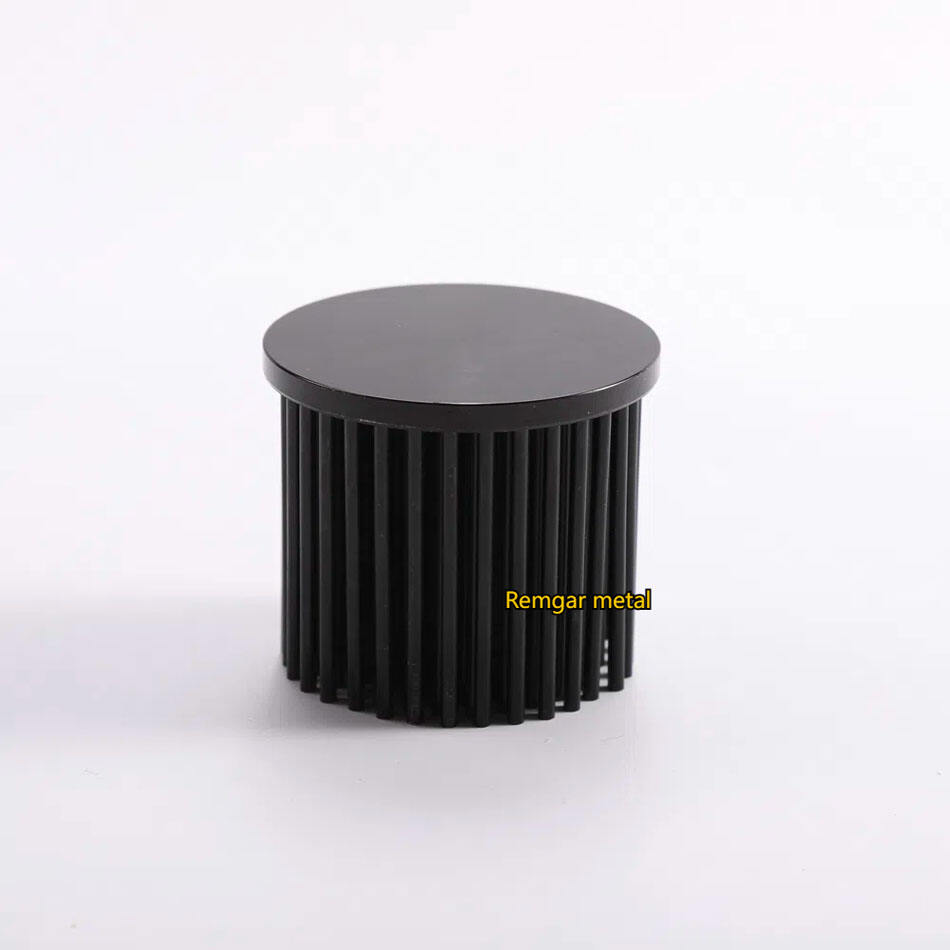
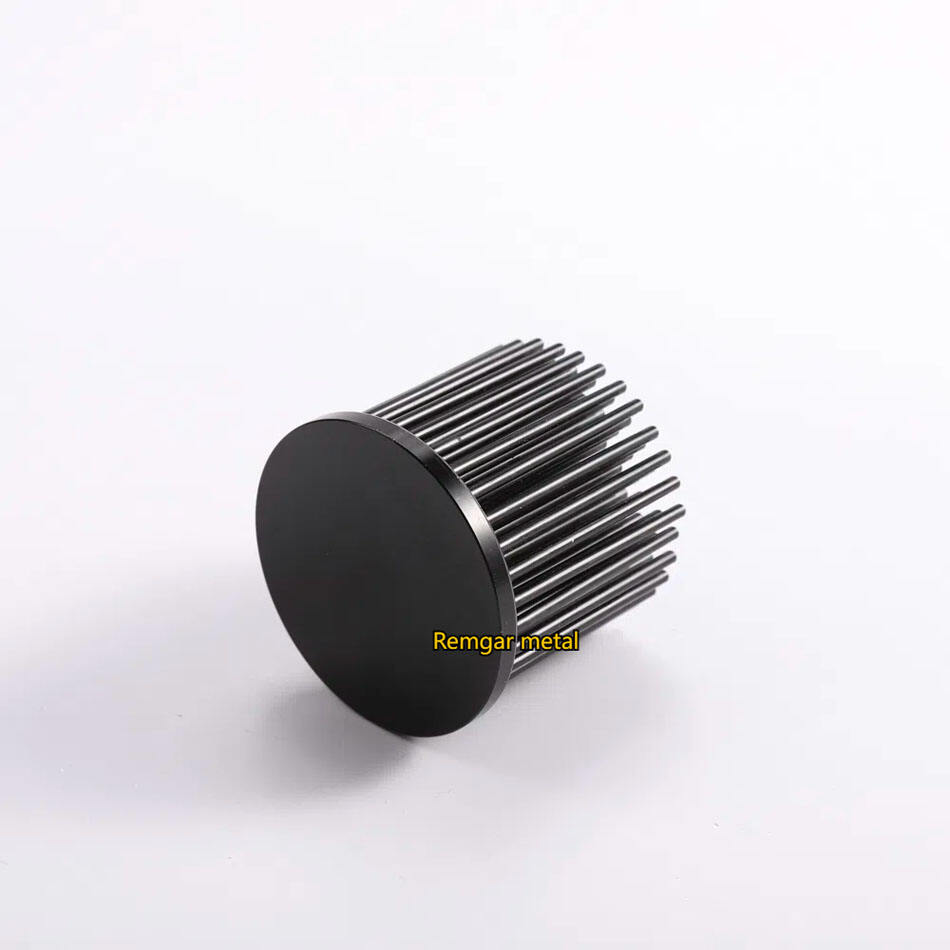
Cold-forged radiators, also known as cold-forged finned radiators or skiving fin radiators, are manufactured through a metalworking process combining cold forging and skiving. They have secured a prominent position in high-performance thermal management due to their exceptionally high fin density and monolithic construction.
Understanding cold-forged heat sinks hinges on their unique “skiving” process:
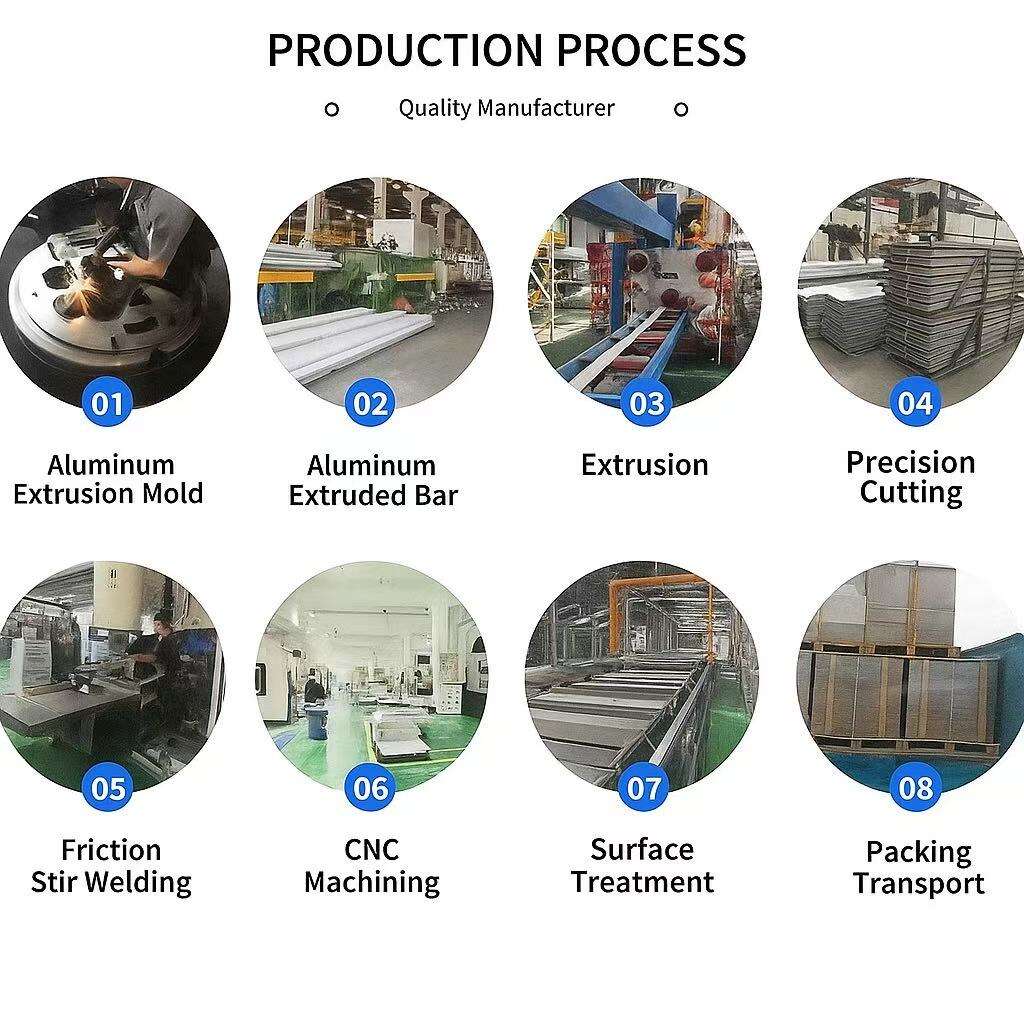
1. Raw Material Preparation: Typically involves a solid aluminum or copper ingot.
2. Clamping and Fixing: The metal block is securely fastened on specialized machinery.
3. Skiving Process: This is the core step. An extremely sharp tool shaves layers from the metal block, much like peeling an apple. The critical distinction lies in the tool not removing scrap material but precisely controlling the cut to push and shape the removed sections upward while maintaining their connection to the base, forming upright fins.
4. Forming: Through a single continuous shaving motion, an entire row of complete, high-density heat dissipation fins is “created” from a solid metal blank.
5. Post-Processing: The base is machined for flatness, and secondary operations like bending may be performed as needed.
Advantages:
1. Exceptionally High Fin Density and Aspect Ratio: This is its most significant advantage. It enables the production of extremely thin, tall fins, delivering massive heat dissipation surface area per unit volume for highly efficient cooling.
2. Zero Contact Thermal Resistance: The monolithic structure eliminates contact thermal resistance caused by processes like welding or fin insertion, ensuring an exceptionally smooth heat conduction path from the base to the fin tips.
3. Superior Structural Integrity and Reliability: The monolithic construction provides high mechanical strength, enabling resistance to vibration and impact with minimal risk of damage.
4. Design Flexibility: Beyond straight fins, wave-shaped, fish-scale, and other complex fin profiles can be manufactured by controlling tool paths and subsequent processing. These designs disrupt airflow to enhance heat transfer efficiency.
5. High Material Utilization: The shaving process generates minimal material waste (beyond necessary machining allowances), significantly outperforming milling methods that remove material to form fins.

 EN
EN