
Home > Products > Heat sink Technologies > Extruded aluminum Heat sink
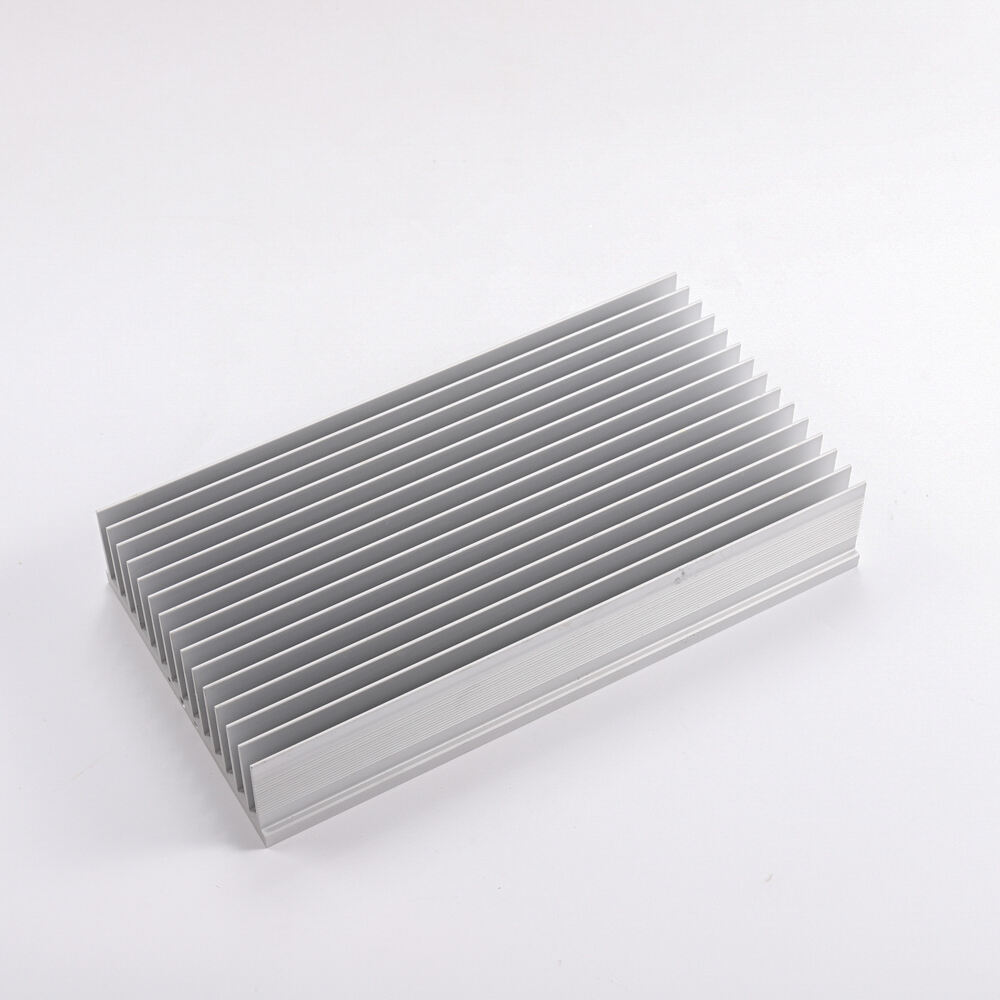
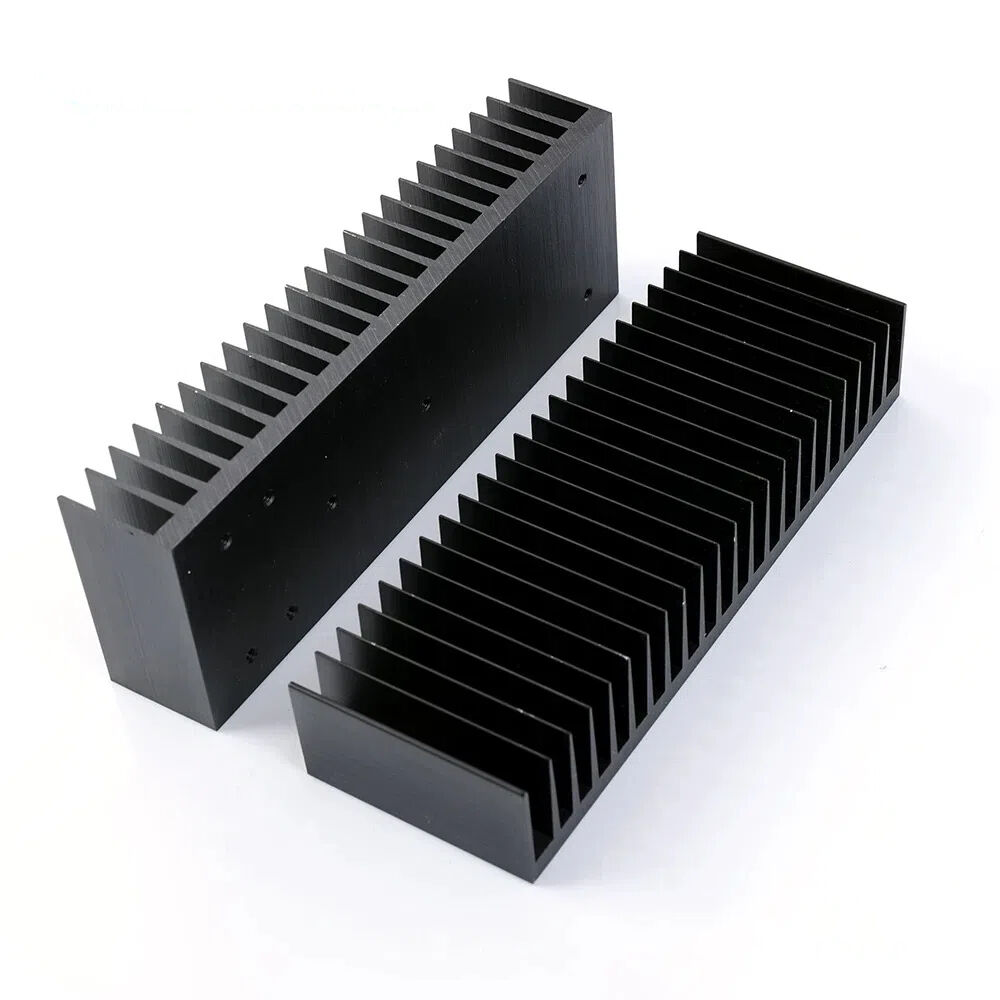
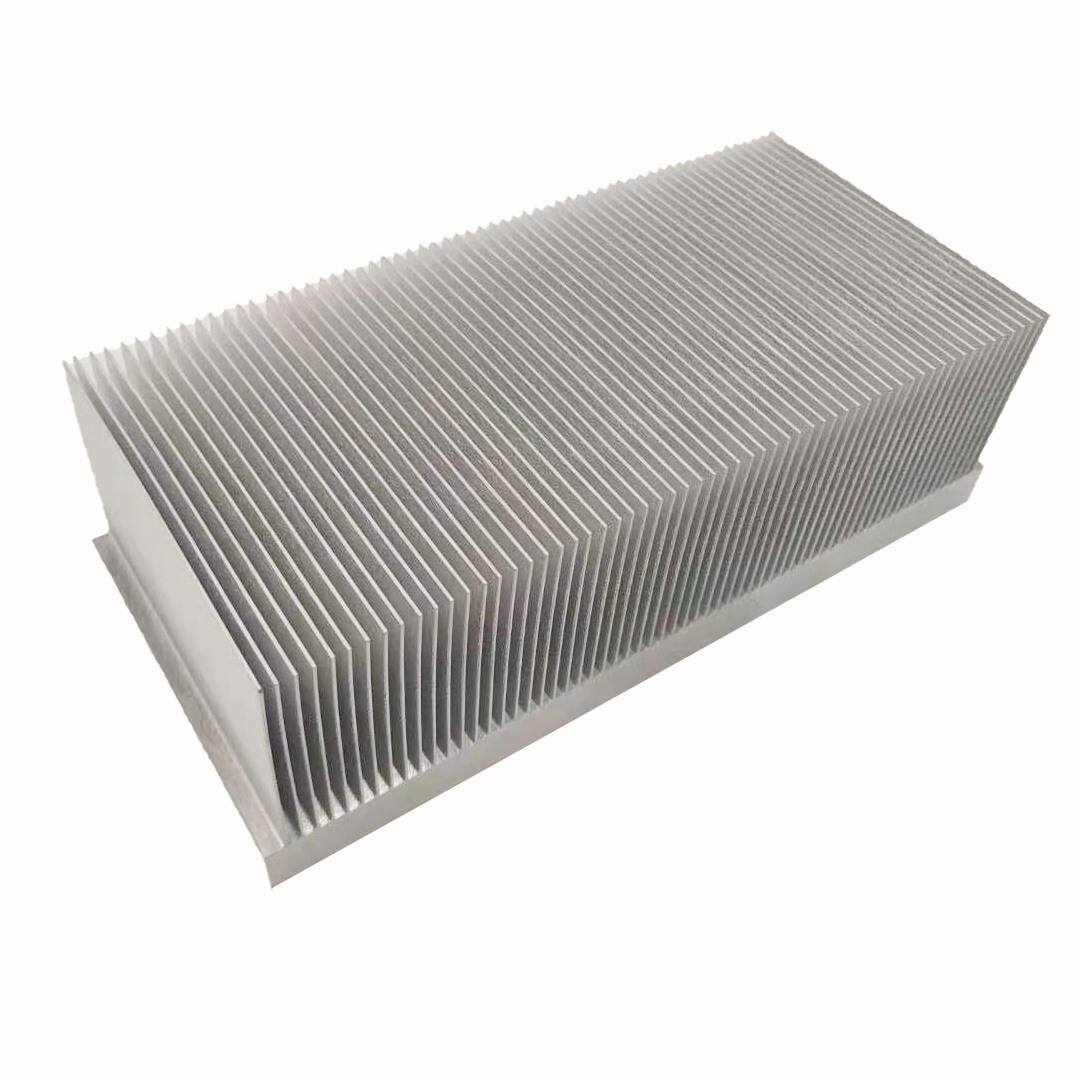
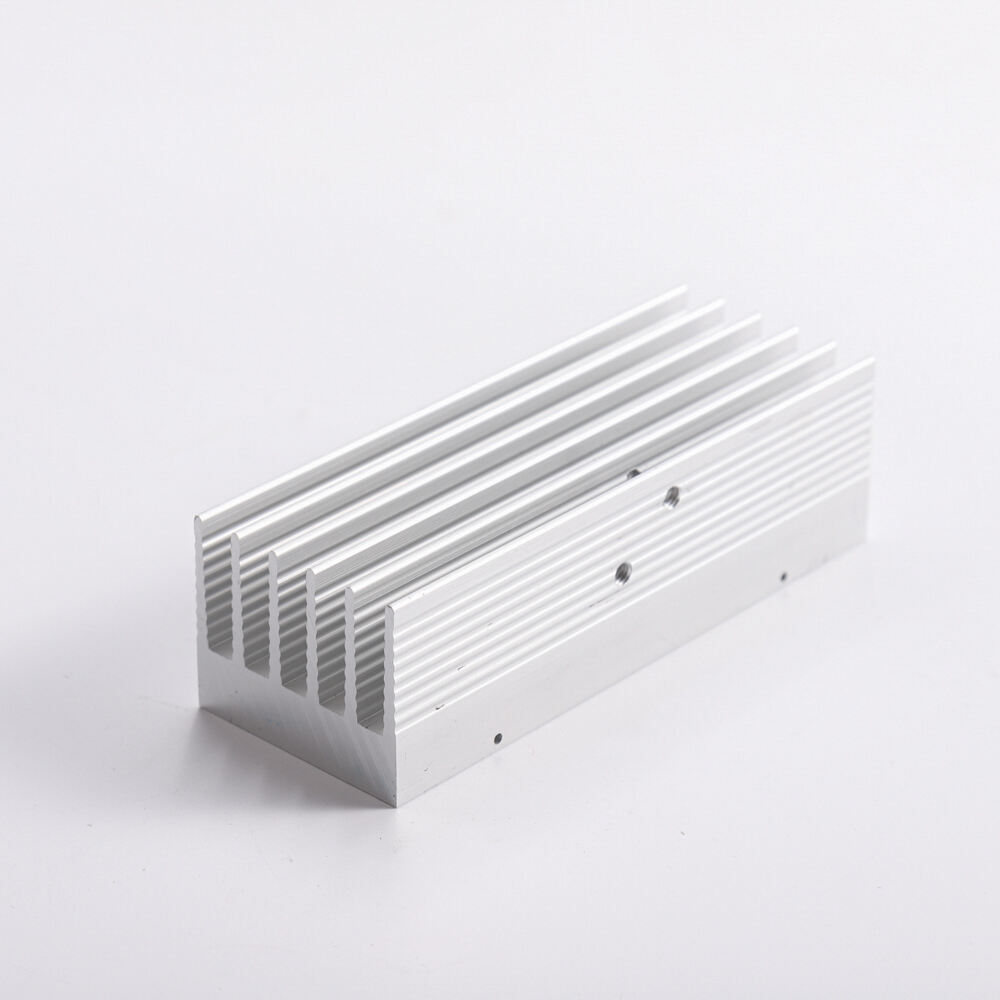
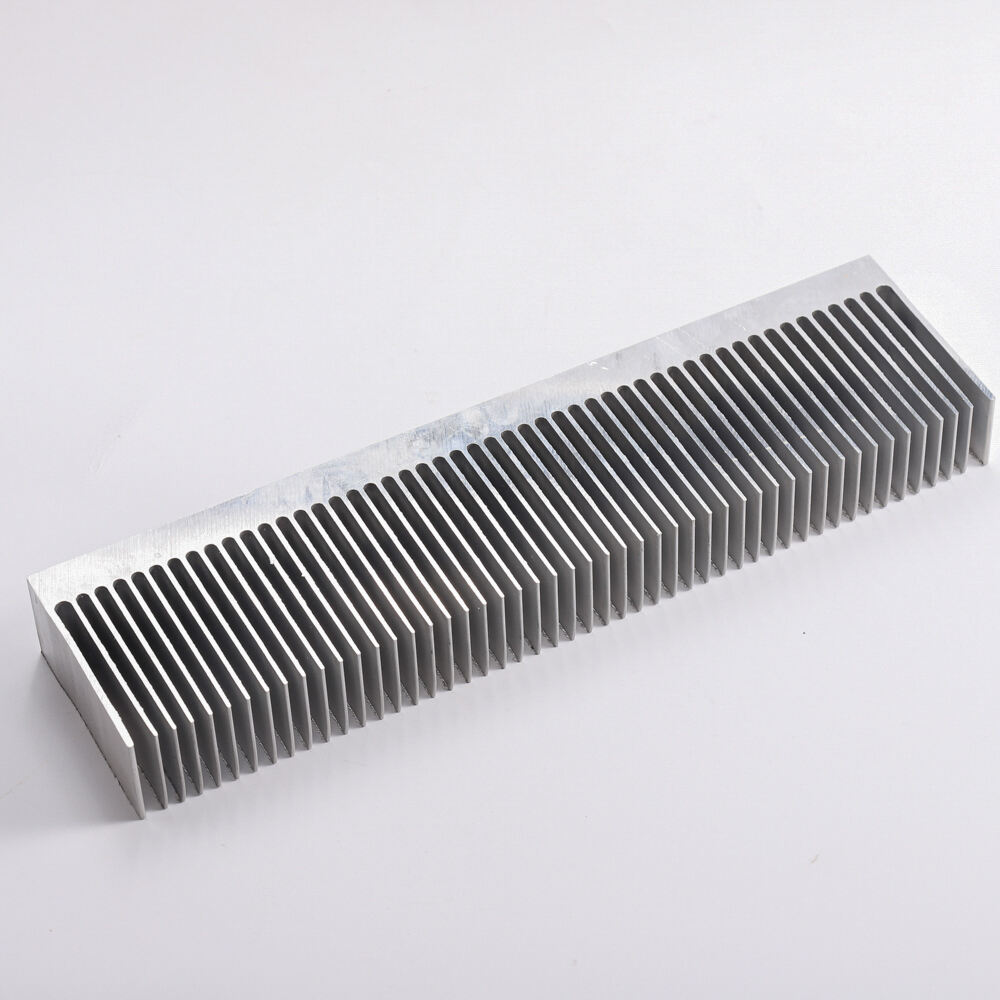
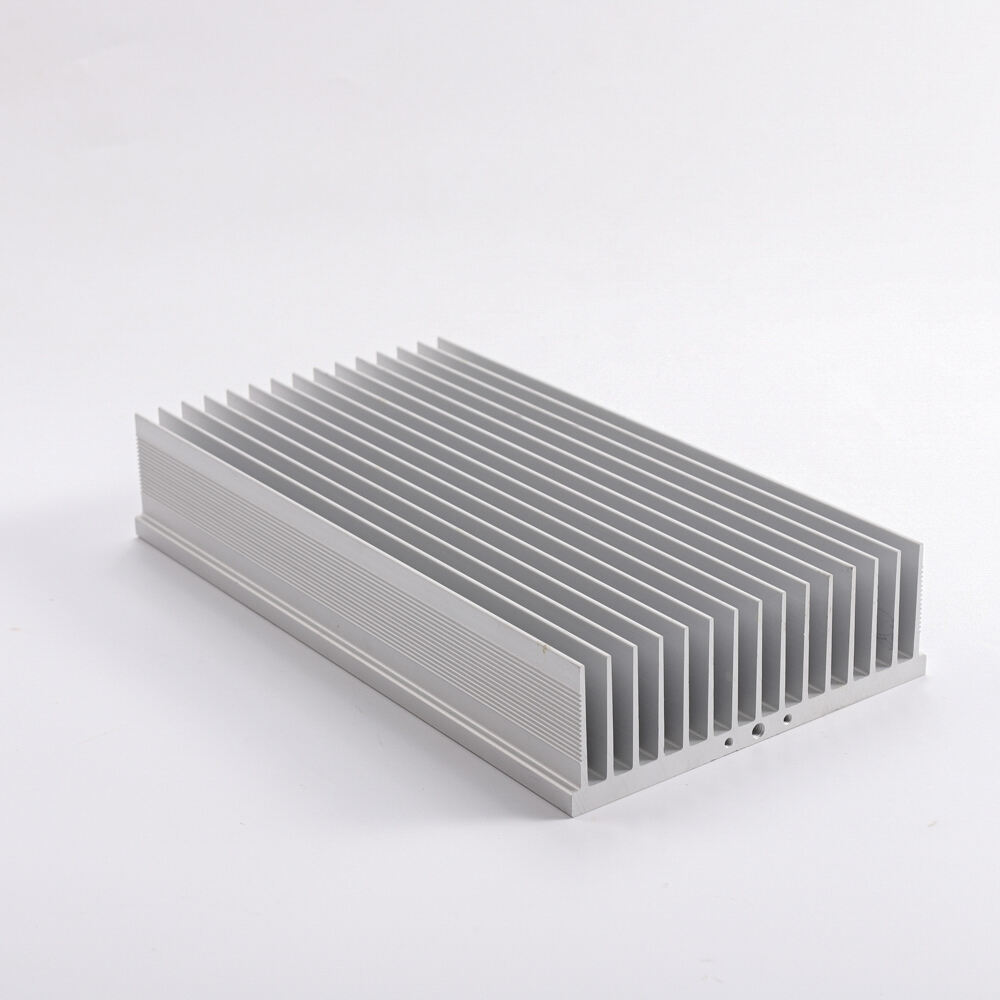
Extruded heat sinks, as the name suggests, are manufactured through metal extrusion forming processes. With their mature production techniques, low cost, and reliable performance, they have become the absolute mainstay in thermal management solutions for electronic devices.
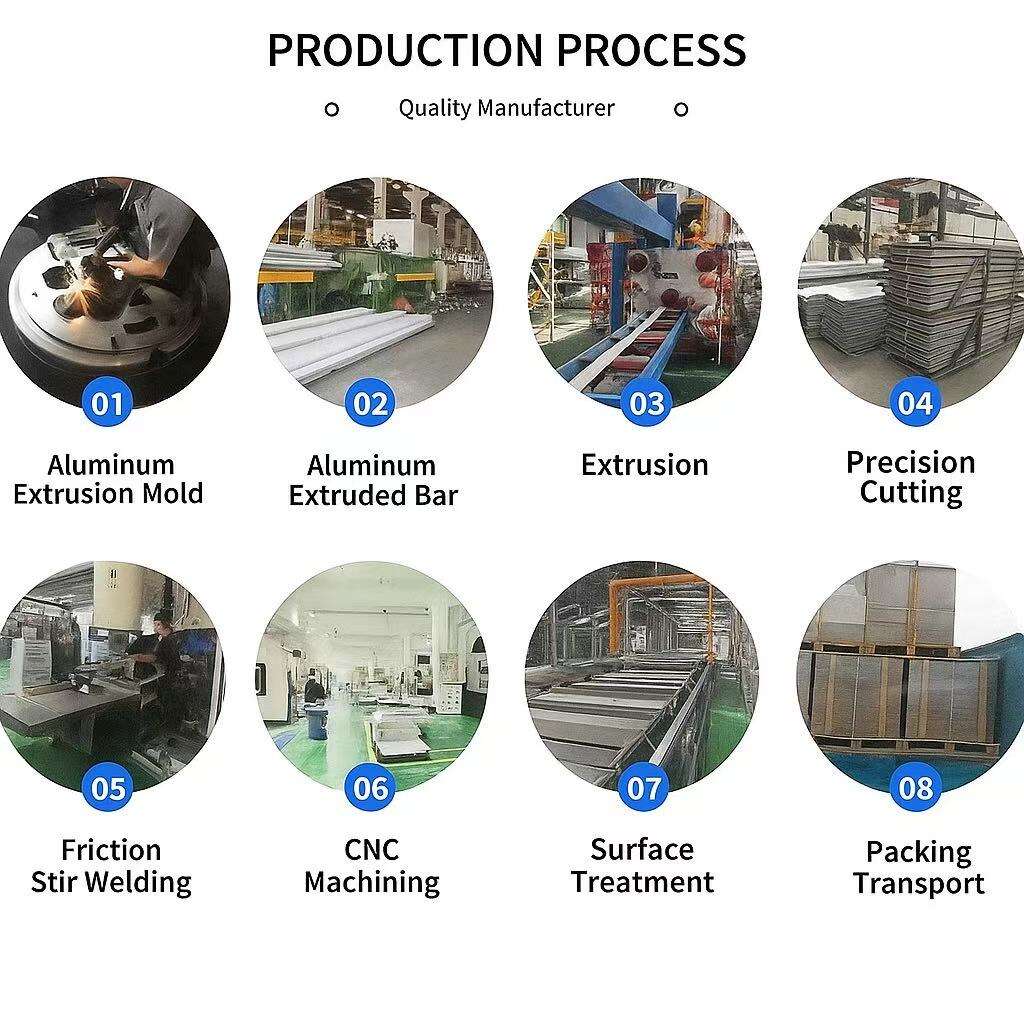
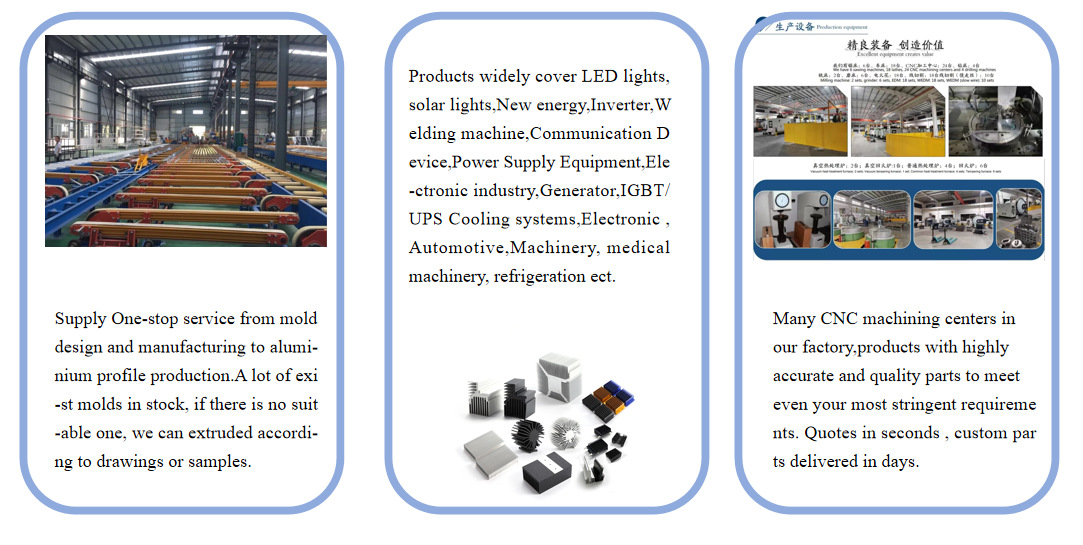
I. Core Manufacturing Process: Hot Extrusion
1. Raw Material: Typically aluminum alloy rods with excellent thermal conductivity, most commonly 6063 aluminum alloy, which offers a good balance of thermal conductivity, strength, and extrusion performance.
2. Heating: The aluminum rod is heated to a plastic temperature of 400-500°C.
3. Extrusion: The heated aluminum rod is fed into an extrusion press and forced through a die with a specific cross-sectional shape using immense pressure.
4. Forming and Cutting: The continuous extruded strip with the radiator cross-section profile is pulled onto a cooling bed to solidify, then cut to required lengths.
5. Post-Processing: Final steps include trimming, CNC machining of base flats, tapping threaded holes, and surface treatments (e.g., anodizing) to produce the finished product.
Process Characteristics: This method enables highly efficient, continuous production of extruded profiles with complex fin shapes at extremely low cost.
II. Key Characteristics and Advantages/Disadvantages
Advantages:
1. Low Cost: This is its greatest strength. Once the mold is developed, mass production can proceed with exceptional efficiency, resulting in very low per-unit costs.
2. Robust and Durable Structure: The entire radiator is a monolithic metal entity with no joining interfaces, ensuring high mechanical strength, exceptional reliability, and extended service life.
3. Short production cycle and high efficiency: Ideal for standardized and high-volume manufacturing.
4. Excellent thermal conductivity: Aluminum alloy inherently possesses strong heat transfer capabilities, effectively conveying heat from the source to the fins.
5. Design flexibility: By changing molds, heat sinks of various sizes, fin shapes, and fin densities can be produced to meet diverse requirements.

 EN
EN